
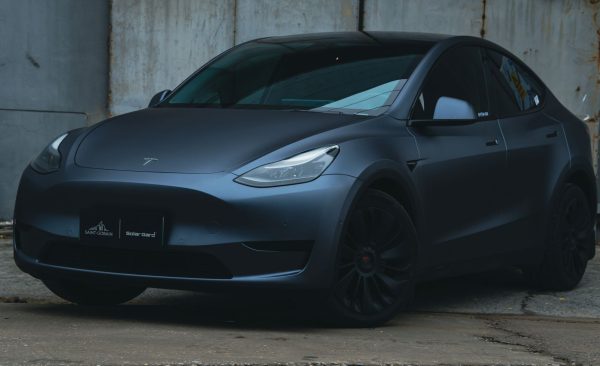
 Before you book window tinting in San Diego, it pays to know exactly where California law draws the line. Wraps Motorsports, located at 7633 Carroll Rd. in Mira Mesa, installs window tinting across every vehicle type in San Diego — and every job we complete meets California’s current legal requirements. Getting cited for a fix-it ticket after spending money on a professional tint installation isn’t a situation anyone wants. Here’s what every San Diego driver needs to know about California window tint laws in 2026.
How Window Tint Darkness Is Measured
All window tint regulations in California are based on a measurement called Visible Light Transmission, or VLT. VLT is the percentage of visible light that passes through the glass after tinting is applied. A higher VLT percentage means a lighter, less dark tint. A lower percentage means darker tint that blocks more light from entering the cabin.
The confusion comes from how this is often communicated at shops. When someone says “35% tint,” they mean 35% of visible light passes through — which is actually quite dark. Most factory glass already has some tint built in from the manufacturer, and California law accounts for this: the combined VLT of the factory glass and the added film must meet the legal threshold, not just the film alone.
Front Side Windows — California’s Most Enforced Rule
Under California Vehicle Code Section 26708, front side windows must allow more than 70% of visible light to pass through. This is the strictest requirement in the law and the one most actively enforced during traffic stops in San Diego. In practical terms, front windows beside the driver and front passenger can only receive very light, near-imperceptible tinting — or none at all for most vehicles.
This rule catches a lot of drivers by surprise, especially those coming from states with more permissive laws. Arizona and Nevada, for example, allow much darker front window tint. Vehicles that arrive in San Diego from those markets frequently have non-compliant tint already on the front windows, making a professional tint check a smart early step.
Rear Side Windows and Rear Windshield
California gives drivers far more flexibility on the rear of the vehicle. Rear side windows and the rear windshield can have any level of darkness — including near-blackout tint — provided the vehicle has outside rearview mirrors on both the driver’s and passenger’s sides. This is where most San Diego drivers get the look they’re after.
A dark rear tint paired with light-legal front windows is the standard compliant configuration for vehicles that want privacy, heat rejection, and a blacked-out aesthetic without enforcement exposure. At Wraps Motorsports, our window tinting service always accounts for this split from the start of every installation. We don’t install non-compliant configurations on California-registered vehicles.
Windshield Tinting Rules in California
California allows a non-reflective tint strip at the top of the windshield, but only above the AS-1 line — typically the top four to five inches of the glass. This strip reduces glare from overhead sun without obstructing the driver’s forward sightline. The rest of the windshield must remain clear. No additional tinting can be applied below that AS-1 line under any circumstances.
Reflectivity is a separate requirement. Front side windows and the windshield cannot use tint that reflects more than 35% of incoming light. Metallic or mirror-finish films that exceed that reflectivity threshold are illegal regardless of their VLT measurement. Most professional-grade ceramic and carbon films stay well within this limit, which is one reason why quality film selection matters as much as installation.
Medical Exemptions Under California Law
California allows medical exemptions for darker front window tinting under California Vehicle Code Section 26708(b)(4). If a licensed physician certifies that a person has a medical condition that requires extra UV protection — conditions such as lupus, melanoma, photosensitivity disorders, or certain autoimmune diseases — a vehicle may carry darker front window tint than the standard 70% VLT threshold.
To qualify, you need written certification from a licensed California physician or optometrist. That document must be kept in the vehicle and presented to law enforcement if requested during a stop. The exemption doesn’t grant unlimited tinting — the darkness must be medically justified and properly documented. Contact our team if you’re planning a medical exemption tint installation and we’ll help you select the right film and VLT for your situation.
What San Diego Enforcement Actually Looks Like
Window tint violations in California are handled as equipment violations, not moving violations. A fix-it ticket for illegal tint carries no points on your driving record and no insurance impact. You are required to have the non-compliant tint removed or replaced and get the ticket signed off within a set period. That said, paying for a removal and re-installation because a shop didn’t follow the law is an avoidable expense.
San Diego law enforcement targets front window tint far more than rear configurations. Officers are primarily checking whether they can clearly see the driver through the front windows during a stop. Vehicles with compliant front windows and dark rear tint generate very few enforcement issues in everyday San Diego driving. Book your window tinting appointment at Wraps Motorsports and we’ll make sure every window is legal before you leave our shop on Carroll Rd.
Get Legal, Quality Window Tinting in San Diego
Wraps Motorsports installs California-compliant window tint on every vehicle — from daily drivers to performance cars — using premium ceramic and carbon films that deliver real heat rejection without the legal risk.
Book Your Tinting Appointment or call us at (858) 471-6838.
How to Check If Your Current Tint Is Legal
If you’re not sure whether your existing tint meets California’s standards, the easiest step is to bring the vehicle to a professional installer for a VLT reading. A tint meter measures the actual percentage of visible light passing through each window in seconds. If the reading on your front windows falls below 70% combined, the film needs to come off and be replaced with a compliant grade.
For newly purchased used vehicles — particularly those coming from out-of-state markets with more permissive laws — a tint compliance check should happen before you get cited, not after. Wraps Motorsports can remove and replace non-compliant film using 3M, XPEL, or Avery Dennison products that meet California window tint laws 2026 requirements exactly. Our team at 7633 Carroll Rd. handles compliance checks at no charge when paired with a new installation booking.
Frequently Asked Questions
What is the legal tint percentage for front windows in California?
Front side windows must allow more than 70% visible light transmission. That means only very light — nearly clear — tinting is legal on the windows beside the driver and front passenger. This is the core requirement of California window tint laws 2026 and the most actively enforced rule during traffic stops across San Diego County.
Can I get pulled over just for dark rear windows?
In most situations, no. California allows any level of darkness on rear side windows and the rear windshield, provided the vehicle has outside mirrors on both sides. Officers focus primarily on front windows. That said, if a traffic stop occurs for any other reason, all windows may be checked — and non-compliant front tint will result in a fix-it ticket regardless of why you were initially stopped.
Does ceramic tint follow different rules than regular tint in California?
No — California law measures VLT regardless of film type. Ceramic, carbon, dyed, and metalized tints are all evaluated by the same visible light transmission standard. Ceramic film does not receive any preferential legal treatment. What matters is the VLT reading, not what the film is made of. Ceramic film is worth the upgrade for heat rejection and clarity, but it doesn’t change the legal threshold.
What’s the penalty for illegal window tint in California?
A first-time window tint violation in California is a fix-it ticket — an equipment violation with no points on your driving record and no insurance impact. You must remove the non-compliant tint and have the ticket signed off. Base fines start around $25, but court fees can push the total higher. The real cost is paying to have the tint removed and replaced with a legal product, which is why getting it right the first time matters.